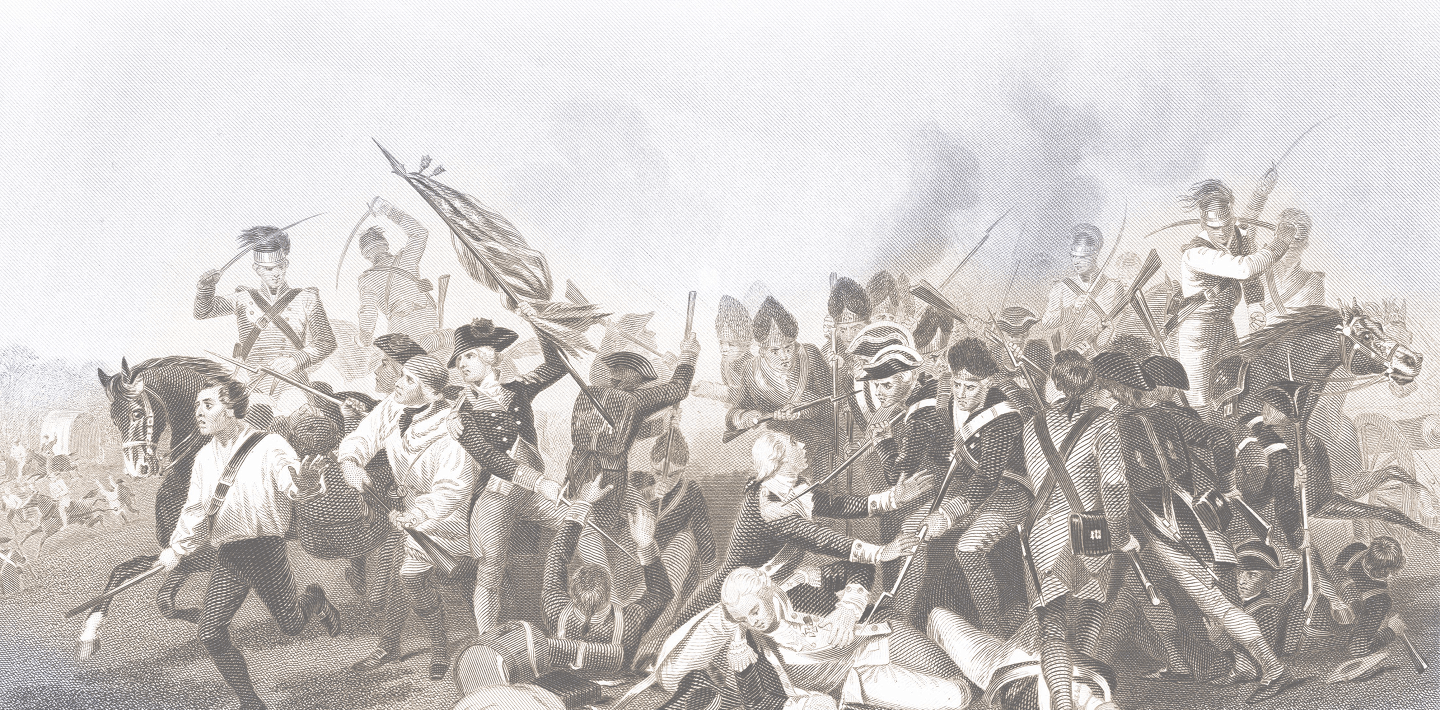
The American Revolution wasn’t fought only in famous cities and distant halls of power. It was lived in the towns, fields, and communities of South Carolina’s Olde English District.
This sestercentennial, don’t just learn about history. Follow it.
STAND on the battlefields where Patriots and Loyalists fought for competing visions of the future.
EXPLORE preserved military sites, historic homes, and landmarks that reveal the realities of life during the Revolution.
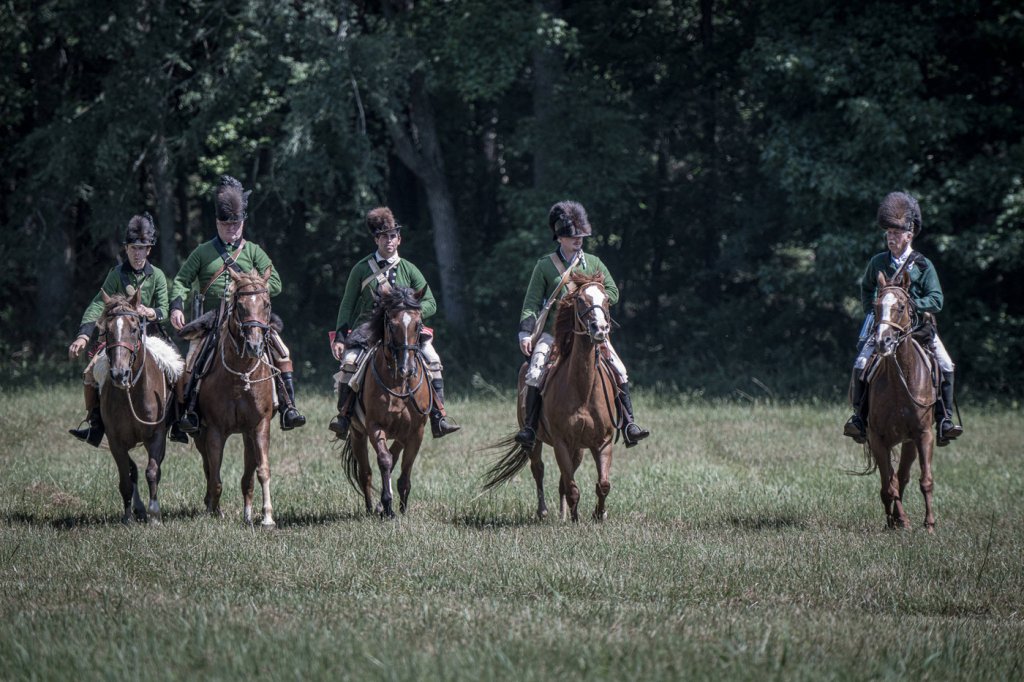
WITNESS living history through reenactments that bring pivotal moments and everyday stories to life.
DISCOVER courthouse squares, monuments, and walking trails that connect local communities to the nation’s founding story.
Spanning Chester, Chesterfield, Fairfield, Kershaw, Lancaster, Union, and York counties, this connected journey traces the paths of those who shaped America’s fight for independence. Experience the Revolution where it happened and uncover the stories that continue to define this land today.
1
1. Kings Mountain National Military Park
Battlefield · York
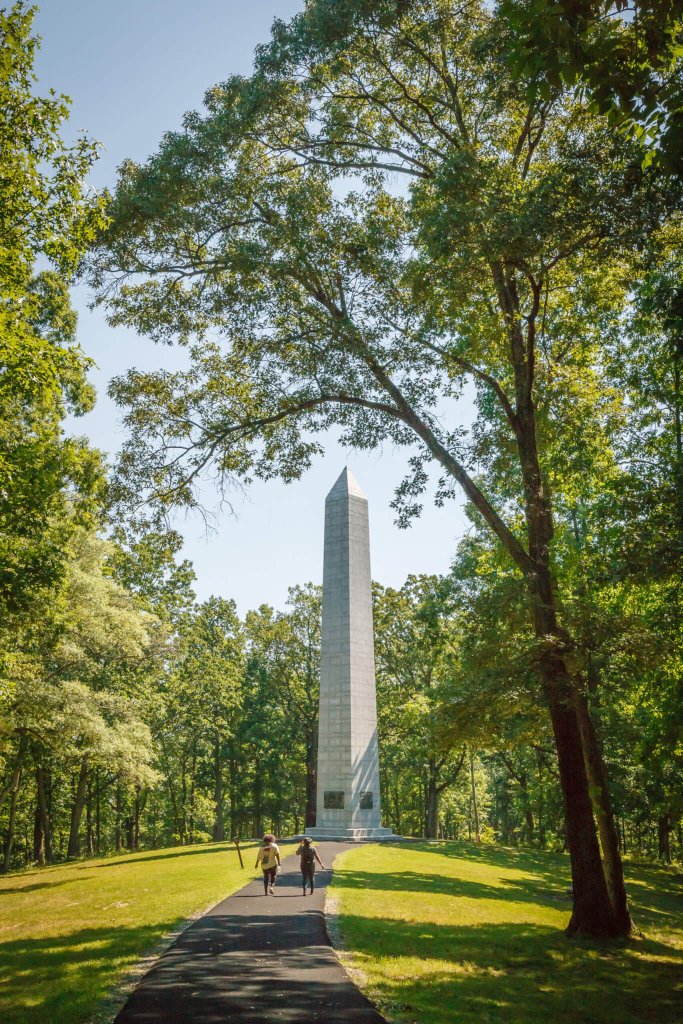
Walk the wooded ridgeline where Patriot militia secured a pivotal 1780 victory. Trails and interpretive exhibits bring this decisive Southern Campaign site to life.
The Battle of Kings Mountain was a turning point in the Southern Campaign, fought almost entirely between American Patriot and Loyalist forces. Visitors can follow paved walking trails across the battlefield, visit interpretive displays, and stand at the locations where militia actions shifted momentum in favor of the Patriots. Seasonal programs and ranger-led talks provide context for the battle’s strategic consequences.
2. Battle of Huck’s Defeat at Historic Brattonsville
Battlefield · York
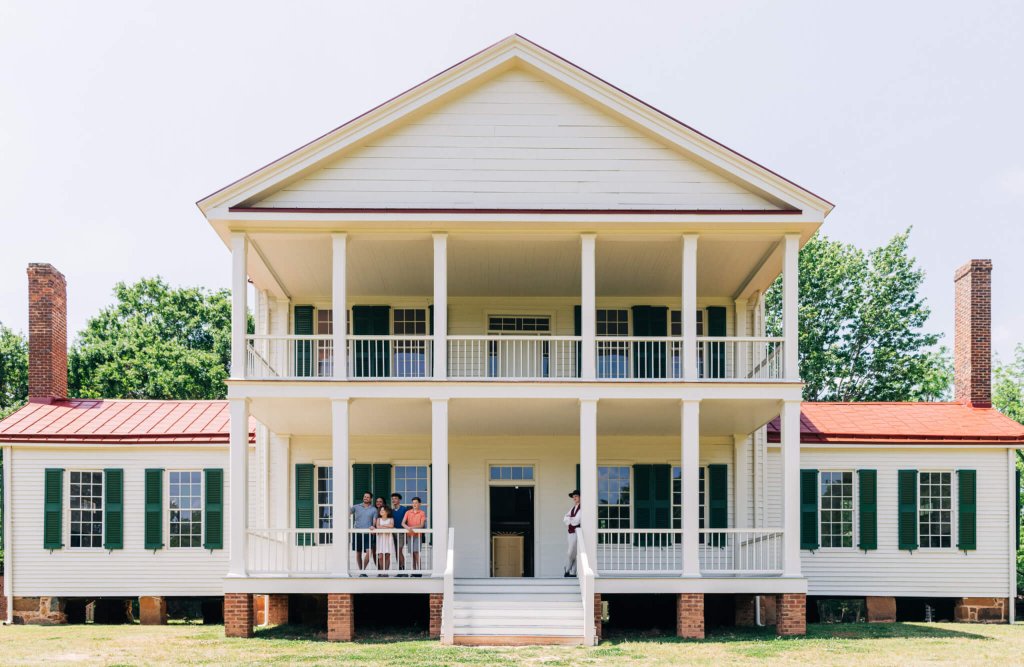
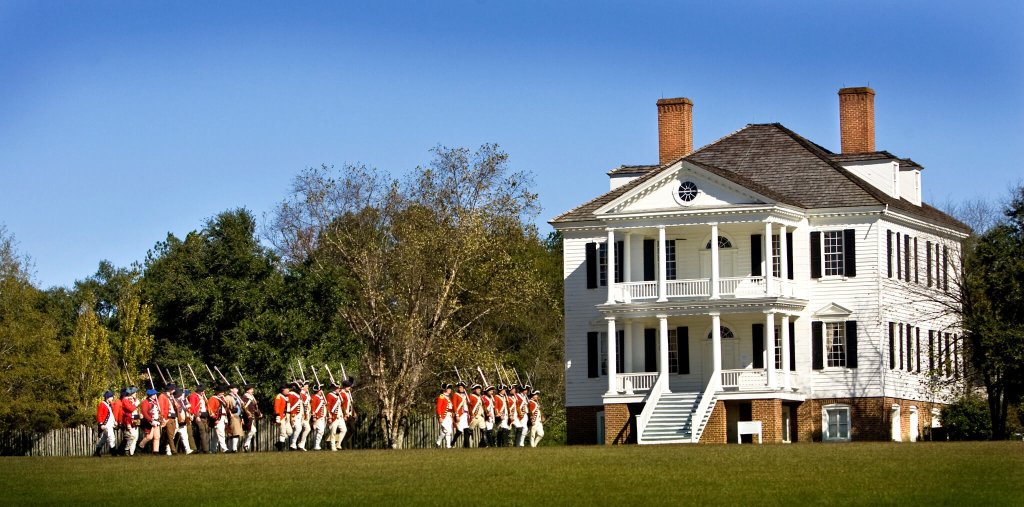
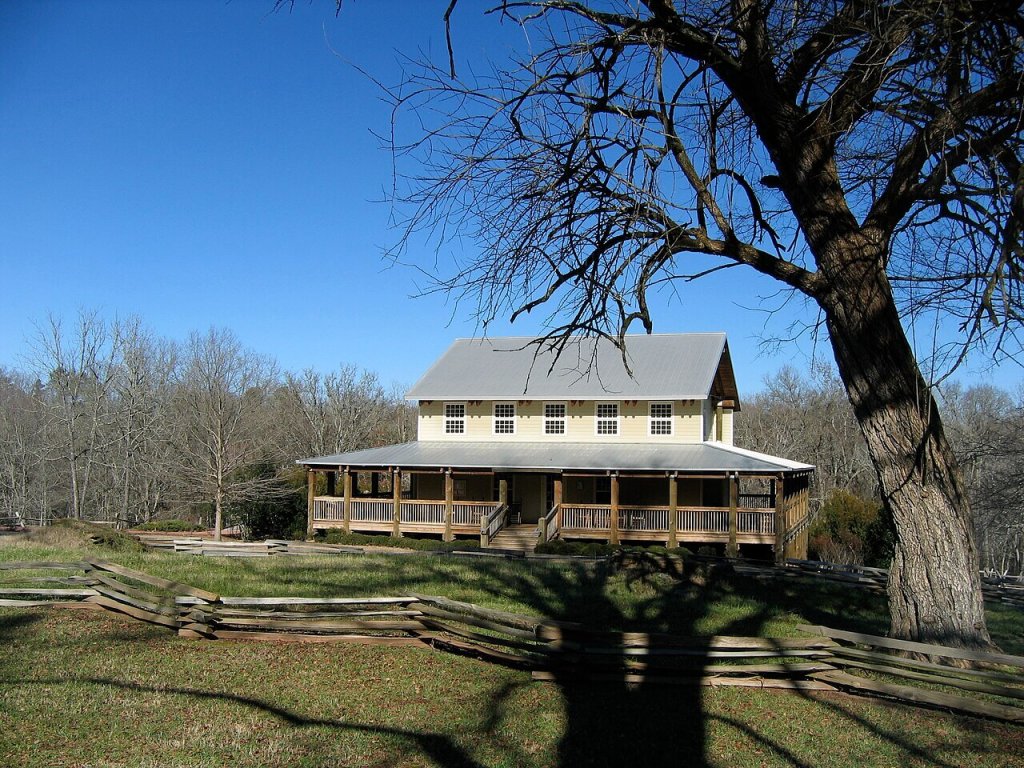
A living history village that preserves colonial and early American life, Historic Brattonsville interprets the July 1780 Battle of Huck’s Defeat and everyday backcountry life.
Historic Brattonsville is a cluster of preserved houses, outbuildings and farm landscapes that illustrate 18th- and 19th-century life. The site interprets the Battle of Huck’s Defeat and how militia and civilians interacted during turbulent years. Costumed interpreters, special events, and guided tours make this a powerful place to see how war affected families and farms.
3. Lancaster County Historical Courthouse and Museum
Museum · Lancaster
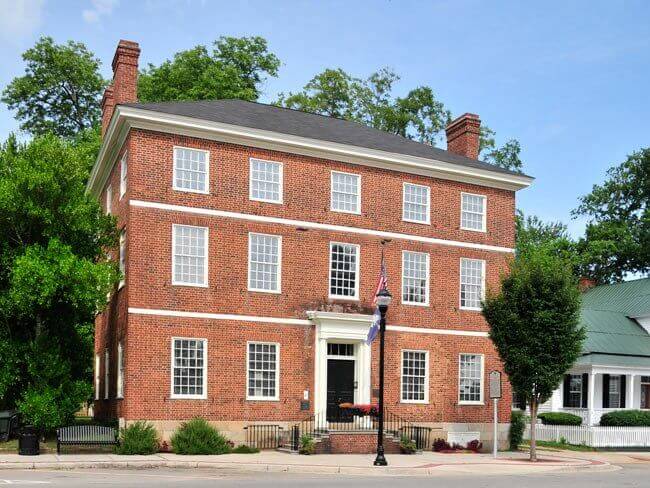
A Robert Mills-designed landmark in downtown Lancaster, the Historic Courthouse Museum brings local Revolutionary War stories to life through exhibits.
Designed by Robert Mills and built in 1828, the Lancaster County Historic Courthouse is one of the county’s most important landmarks. Restored after the 2008 fire and now serving as the Historic Museum of Lancaster County, it gives visitors a closer look at local history through exhibits tied to Buford’s Defeat and the Battle of Hanging Rock. The courthouse’s National Historic Landmark status and downtown location make it an easy and meaningful stop for travelers exploring Lancaster’s Revolutionary-era story.
Local archives and exhibits that trace Chester County’s Revolutionary-era stories, artifacts and family histories for deeper context.
The Chester County Historical Society preserves documents, artifacts and exhibits that illuminate local experiences during the Revolutionary era. Researchers and visitors can explore family records, military rolls and regional stories that often don’t appear in national narratives, offering a richer, place-based perspective on loyalty, conflict and survival.
The Waxhaws region recalls the controversial Buford engagement, a clash remembered for its brutality and its impact on local loyalties.
The battle in the Waxhaws region, sometimes called Buford’s Massacre, left a complex legacy in local memory. The site and nearby interpretive markers examine conflicting accounts and how the encounter shaped recruitment, rhetoric and resolve on both sides. Visiting the area reveals the human cost of backcountry warfare and its enduring place in regional history.
Interpreting the early life of Andrew Jackson, the park connects a future president’s youth with Revolutionary-era landscapes and local storylines.
Andrew Jackson State Park offers an interpretation of the early life of Andrew Jackson in a Revolutionary-era context. Museum exhibits and memorials explore how childhood experiences and local conditions shaped later public life. The park mixes outdoor trails, interpretive displays and commemorative sites that bridge personal history with larger national events.
Camden was a major military hub during the Southern Campaign, with battlefield sites, earthworks and museum exhibits to explore.
Camden was a strategic center during the Revolutionary War, hosting troops and serving as a focus for British and Patriot operations. Visitors can tour battlefield remnants, visit local museums and learn about the logistics, occupations and community effects of military presence. Camden’s preserved townscape offers layered perspectives on 18th-century military and civilian life.
Museum / Visitor Center · Regional hub (Camden area)
A centralized resource offering exhibits, maps and expert context for exploring Revolutionary-era sites across the Olde English District.
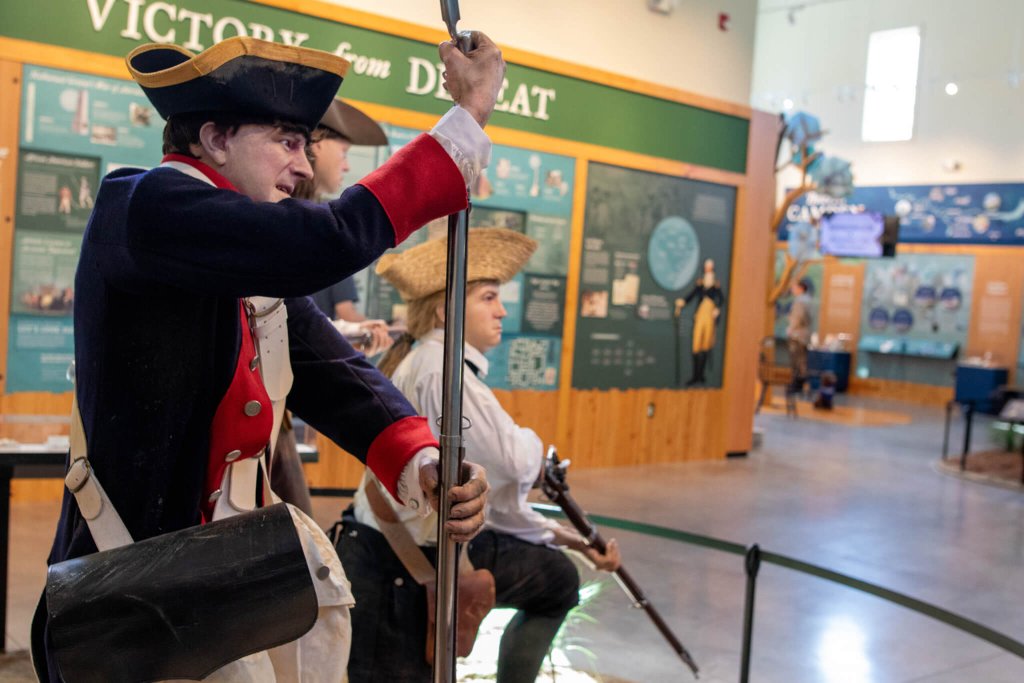
The Revolutionary War Visitor Center serves as a gateway to regional exploration, with exhibits that synthesize the Southern Campaign, maps to key battlefields and staff who can help plan routes. The center connects visitors to museums, guided tours and living history programming across the district, making it an ideal first stop for travelers.
Site of the 1780 Hanging Rock engagement, this landscape preserves rolling fields and interpretive markers that recount local resistance and sacrifice.
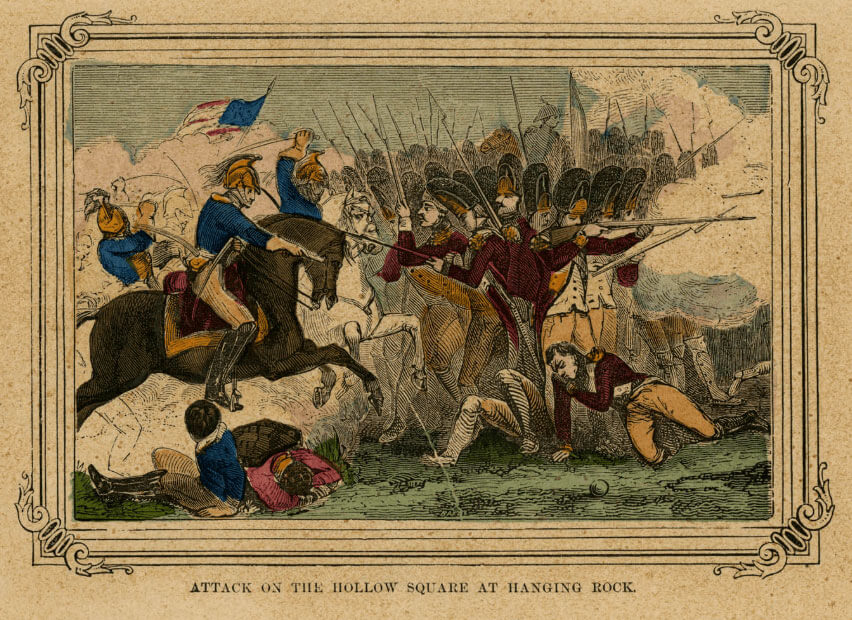
Hanging Rock Battlefield preserves the terrain and interpretive context of a hard-fought engagement in 1780. The site’s signage and trails guide visitors through the units involved, local leaders and the aftermath for the surrounding communities. The battlefield emphasizes the backcountry’s role in shaping campaign outcomes.
The Battle of Blackstock’s marks a key 1780 Patriot stand where militia forces repelled a British attack. Today, the story is interpreted through nearby Musgrove Mill with trails, exhibits, and programs.
Fought on November 20, 1780, the Battle of Blackstock’s saw Patriot forces under Thomas Sumter successfully defend against an attack led by British officer Banastre Tarleton. Using strong positioning and local terrain, militia forces inflicted heavy losses and forced a British withdrawal, despite Sumter being wounded in the fighting. Today, the story is preserved and interpreted through Musgrove Mill State Historic Site, where visitors can explore trails, exhibits, and educational programs that connect the landscape to the events of the Revolutionary War.
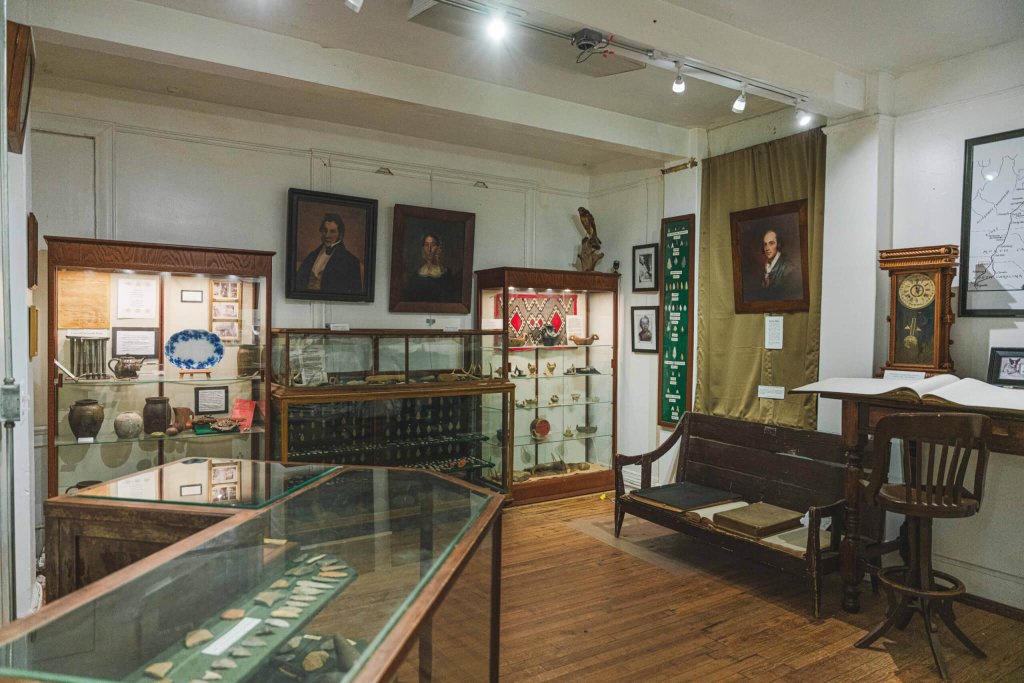
Local collections and exhibits at the Fairfield County Museum illuminate the county’s Revolutionary history including Lord Cornwallis’ encampment from 1780-81, along with archaeology and personal stories.
The museum houses artifacts and interpretive displays that tell the local sides of habitation through the centuries. Collections highlight family papers, militia lists and archaeological finds that reveal everyday experiences of community life through several episodes of military occupation and historical day-to-day living. The museum is a valuable stop for researchers and visitors seeking granular history. Local collections and exhibits illuminate aspects of county-level history, from prehistory through the military presences of Lord Charles Cornwallis in 1780-81, to the March of General William Tecumseh Sherman in 1865, and during military maneuvers commanded by General George Patton in 1941.
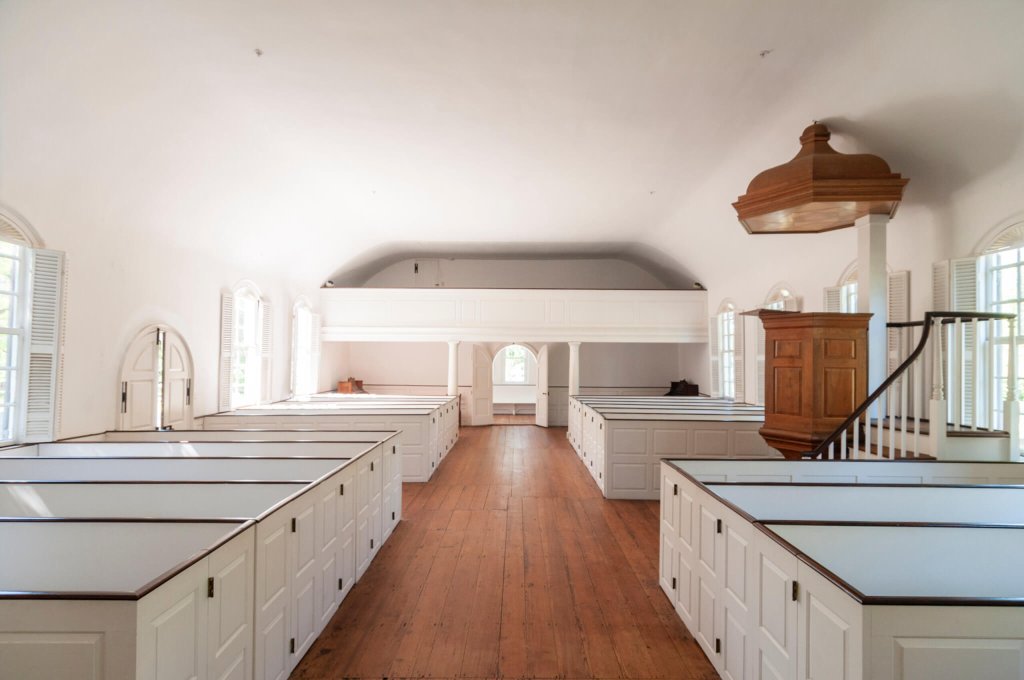
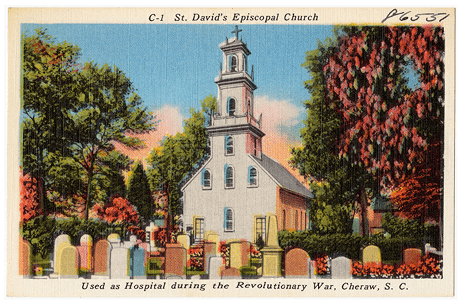
A colonial-era church and cemetery that anchors local memories and offers a tangible link to 18th-century community life and loss.
Old St. David’s Church and its cemetery are living reminders of colonial religious life and the social networks that shaped communities during wartime. The site’s gravestones and architecture provide a place-based lens into family history, mortality and civic continuity through tumultuous decades.
Cultural Center / Historic Landscape · York / Catawba region
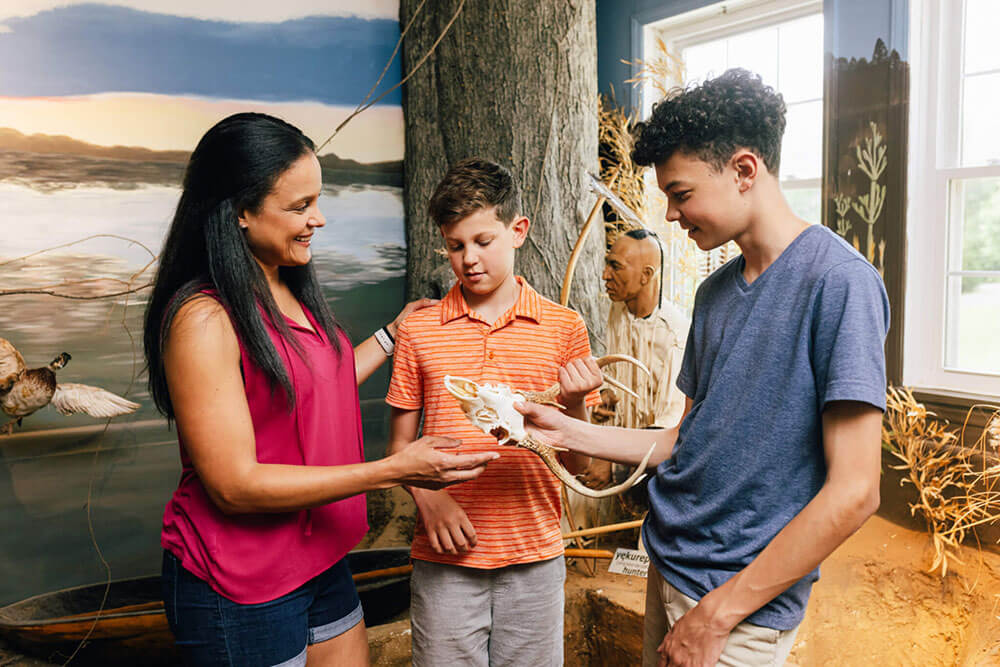
The Catawba Cultural Center interprets the history and ongoing presence of the Ye Iswą (Catawba people), whose lands and lives were affected by colonial and Revolutionary-era events.
The Catawba Cultural Center highlights Indigenous history, traditions, and resilience. Its exhibits and programs explore how the Catawba Nation experienced colonial contact, shifting alliances, and the changing landscape of the 18th century. Visitors gain a deeper context for how Native communities formed and were shaped by the era’s conflicts.
A South Carolina State Park known for the largest stand of Rocky Shoals Spider Lilies in the nation. Enjoy hiking, kayaking, and history.
The park located on the Catawba River is a known fording point for the Ye Iswą (or Catawba) people, who have lived in this area for at least 6,000 years. During the American Revolution, both British and Patriot troops under General Charles Cornwallis and Thomas Sumter crossed the Catawba River here after pivotal battles, particularly the battles of Hanging Rock and Kings Mountain.
This quiz explores Revolutionary-era perspectives, not modern politics. The following questions focus on values and choices common to colonial life, so you can discover which mindset—Patriot, Loyalist, or In-between—most closely matches your beliefs.
Patriot or Loyalist?
1. When life feels uncertain, you’re more likely to:
Patriot or Loyalist?
2. Your ideal community is one where:
Patriot or Loyalist?
3. When leaders make decisions you disagree with, you usually:
Patriot or Loyalist?
4. You value traditions most when they:
Patriot or Loyalist?
5. In a small community facing danger, you would be most likely to:
Patriot or Loyalist?
6. Big changes make you feel:
You lean Patriot
You’re drawn to independence, bold choices and imagining a different future. In the Olde English District, people like you questioned authority and helped push for change, even when it meant personal risk. Explore sites tied to militia action, spirited debate and decisive encounters.
You lean Loyalist
You prize stability, continuity and the structures that hold communities together. Many residents chose caution and loyalty in times of uncertainty to protect family and home. Explore homes, civic sites and memorials that highlight daily life and preservation through upheaval.
You’re somewhere in between
Like many people in Revolutionary-era South Carolina, you’d have competing values: survival, loyalty and principle. The region’s history is full of difficult choices and mixed allegiances. Explore both battlefields and household sites to see how complex lives shaped broader events.
Who’s Who?
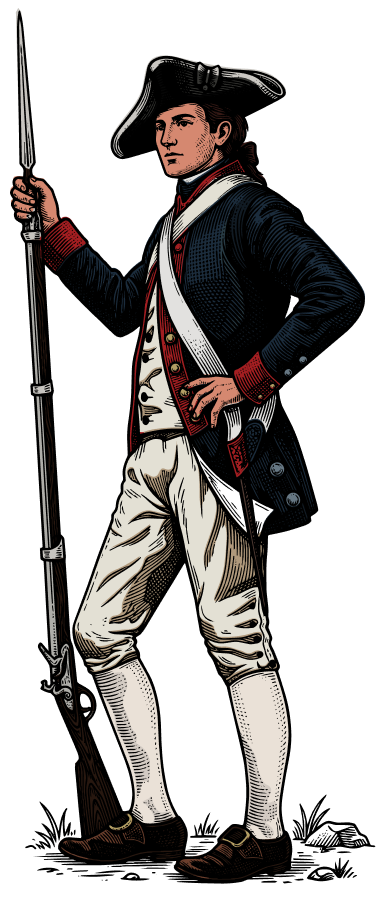
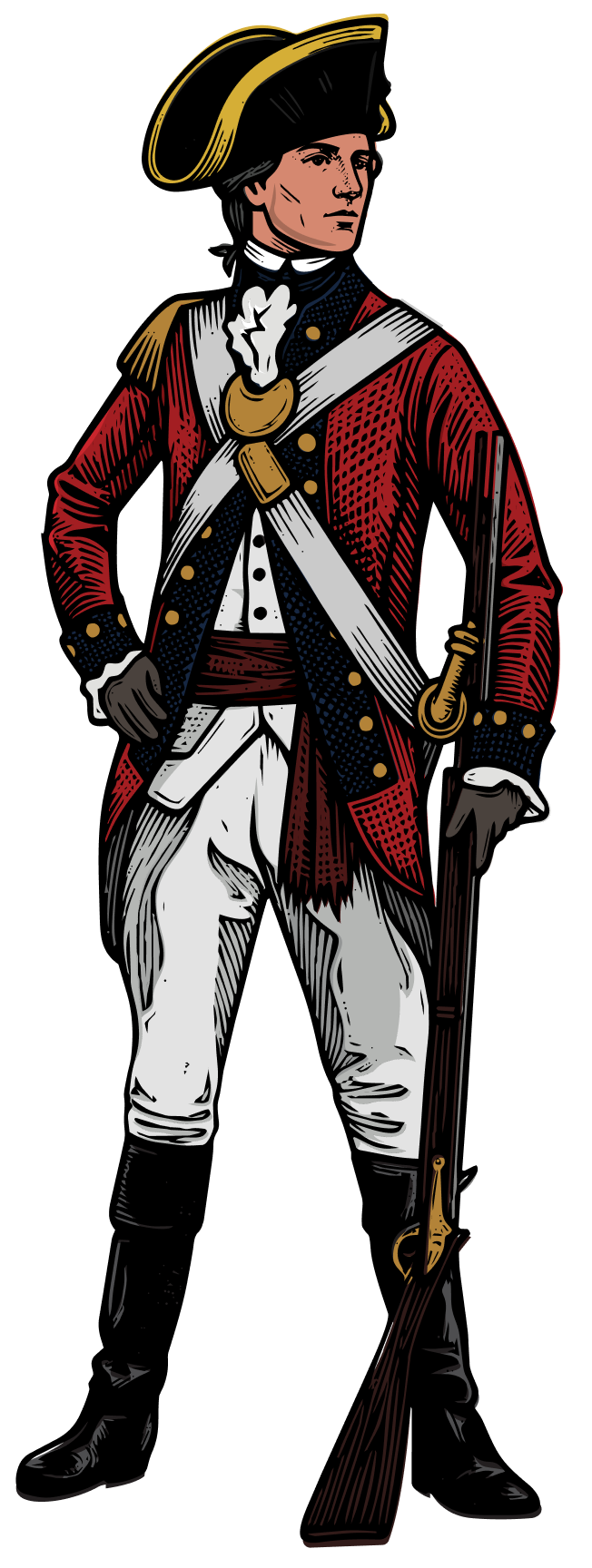
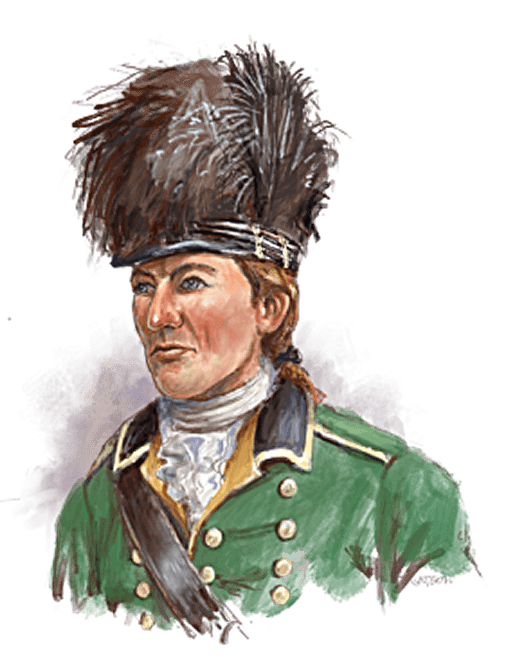
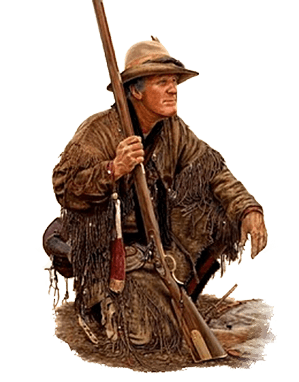
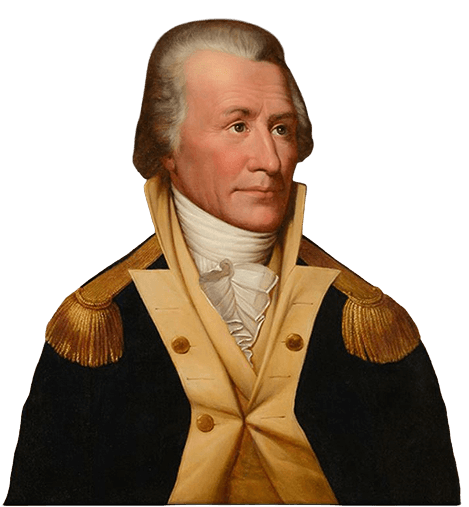
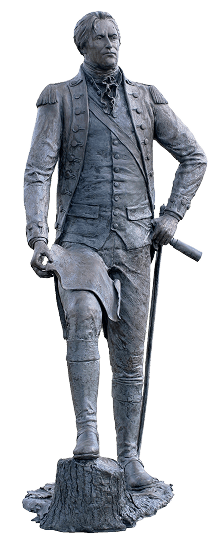
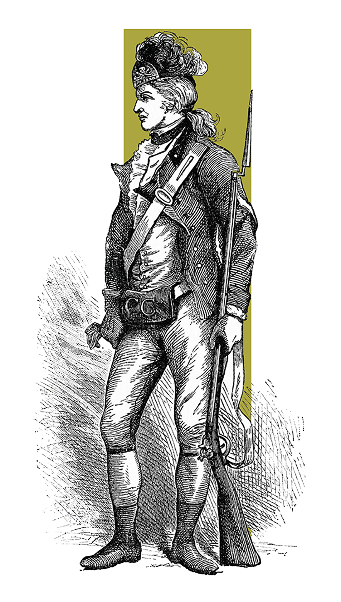
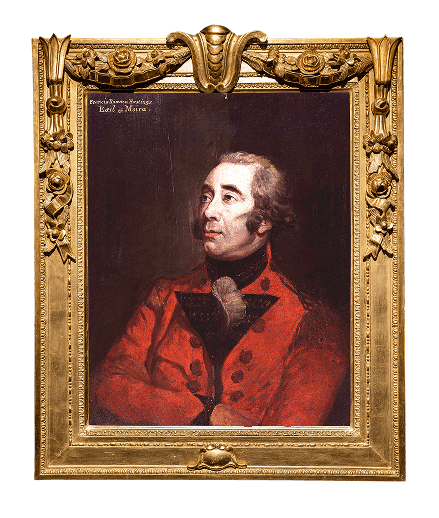
Meet some of the Olde English District’s key players from the Revolutionary era. Through short biographies and linked site references, this series highlights the individuals who shaped local events. Learn about the soldiers, civic leaders, and families whose choices left a lasting mark on the OED and the newly formed United States.
Discover the Revolutionary War in South Carolina’s Olde English District
MAY 29, 1780
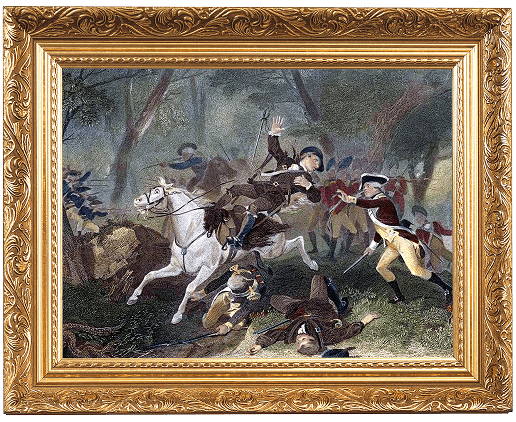
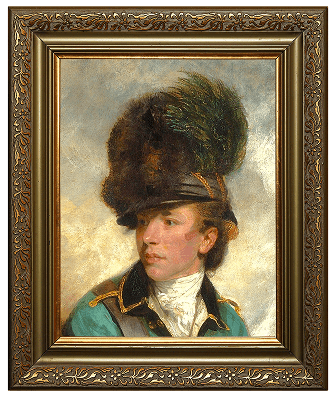
Buford’s Battleground, also known as the site of the Battle of Waxhaws, is where a brutal clash occurred on May 29, 1780, during the American Revolutionary War. The engagement involved a British Legion force led by Lieutenant Colonel Banastre Tarleton and a Continental Army detachment under Colonel Abraham Buford.
JUNE 6, 1780
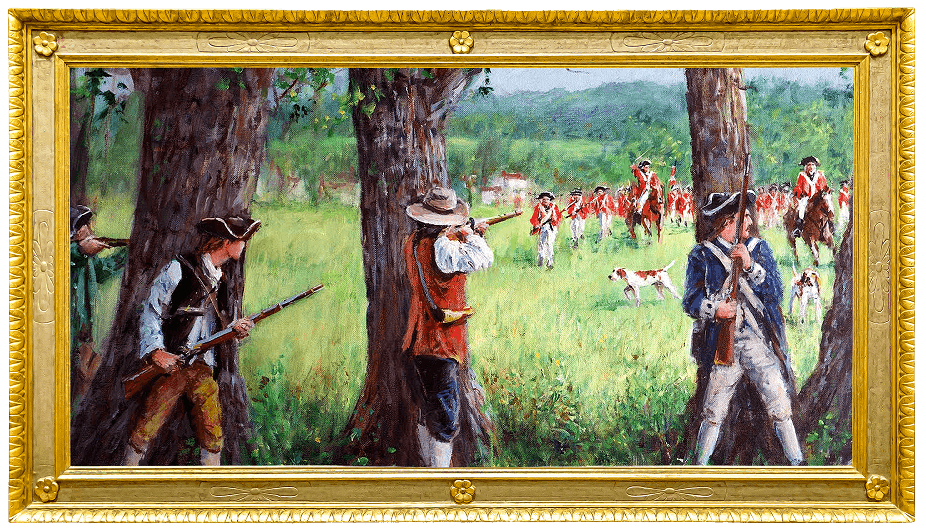
The Battle of Beckhamville (or Alexander’s Old Fields), fought on June 6, 1780, in Chester County, South Carolina, was a surprise victory for 32 American Patriots against approximately 200 British-aligned Loyalists. Led by Captain John McClure, this battle is considered the first, crucial American success in the South following the fall of Charleston.
JUNE 8, 1780
The Battle of Mobley’s Meeting House (also known as Gibson’s Meeting House) was a significant Patriot victory during the American Revolutionary War, occurring on June 8, 1780, in present-day Fairfield County, South Carolina.
JULY 12, 1780
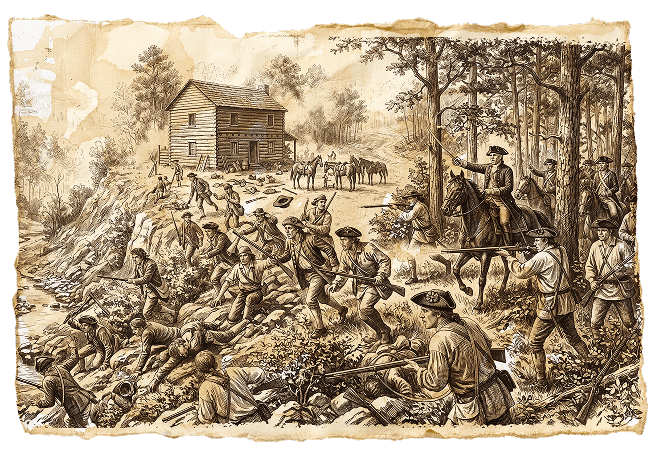
Battle of Huck’s Defeat was one of the first Patriot victories of the southern campaign of the American Revolutionary War. On July 12, 1780, about 250 Patriot militia surprised half their number of Loyalists bivouacked with lax security in York County, South Carolina.
AUGUST 6, 1780
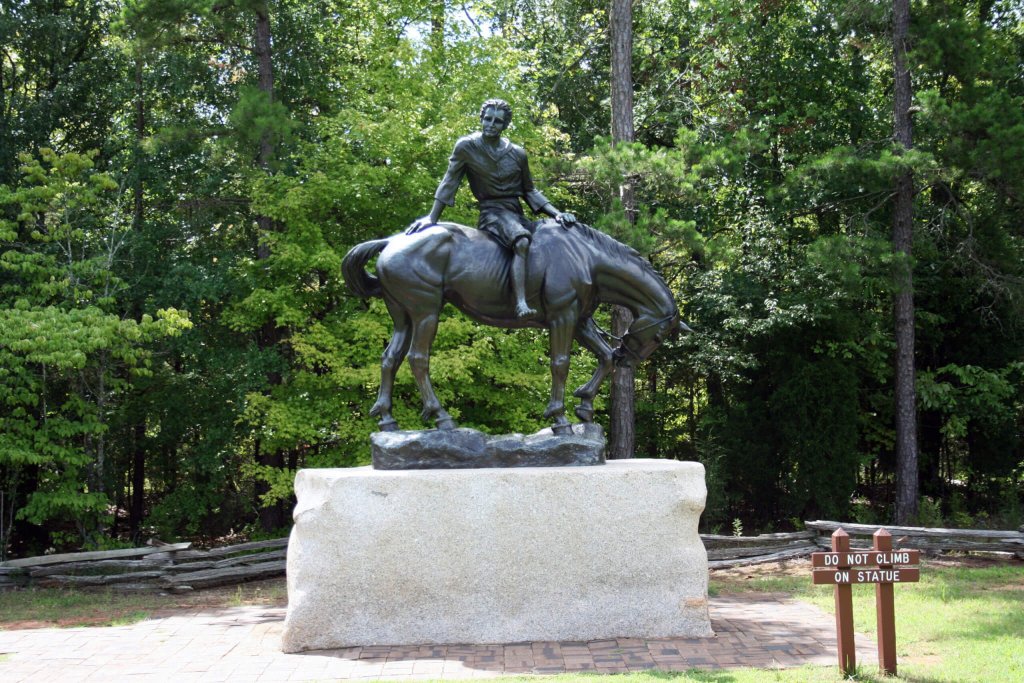
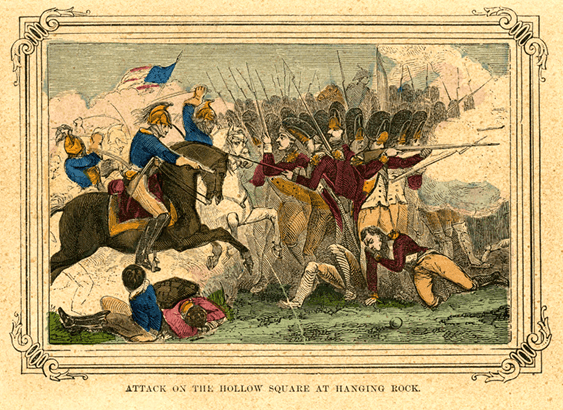
The Battle of Hanging Rock took place on August 6, 1780, in Lancaster County, South Carolina, during the American Revolutionary War. It was a significant, yet ultimately indecisive, victory for Patriot forces led by Colonel Thomas Sumter against a larger British and Loyalist garrison. The battle is known for its intense, close-quarters combat, the participation of a young Andrew Jackson
AUGUST 16, 1780
The Battle of Camden, fought on August 16, 1780, was a significant British victory and one of the most crushing defeats for the American Continental Army during the Revolutionary War. Fought near Camden, South Carolina, it effectively destroyed the “Southern Army” under Major General Horatio Gates and solidified British control over the Carolinas for a time.
AUGUST 18, 1780
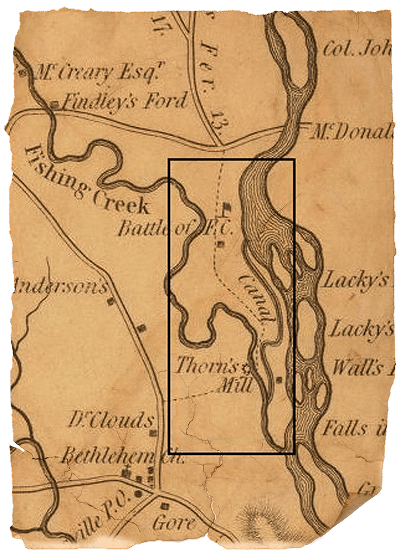
The Battle of Fishing Creek, also called the Battle of Catawba Ford, was an American Revolutionary War battle fought on August 18, 1780, between American and British forces including the 71st Foot. It was fought near the junction of Fishing Creek and the Catawba River in South Carolina.
OCTOBER 7, 1780
The Battle of Kings Mountain was a military engagement between Patriot and Loyalist militias in South Carolina during the southern campaign of the American Revolutionary War, resulting in a decisive victory for the Patriots.
NOVEMBER 9, 1780
The Battle of Fishdam Ford, fought on the morning of November 9, 1780, was a decisive Patriot victory in South Carolina during the American Revolutionary War. British forces attempted a surprise night attack on Brigadier General Thomas Sumter’s camp, but the alerted militia repelled the assault in just 20 minutes.
NOVEMBER 20, 1780
The Battle of Blackstock’s Farm, a military engagement of the American Revolutionary War, took place in what today is Union County, South Carolina, a few miles from Cross Anchor, on November 20, 1780.
The battle marked the first time during the war that an American militia had defeated British regulars, although they outnumbered British troops three to one and fought from a prepared position rather than in the field.
DECEMBER 20, 1780 – JANUARY 28, 1781
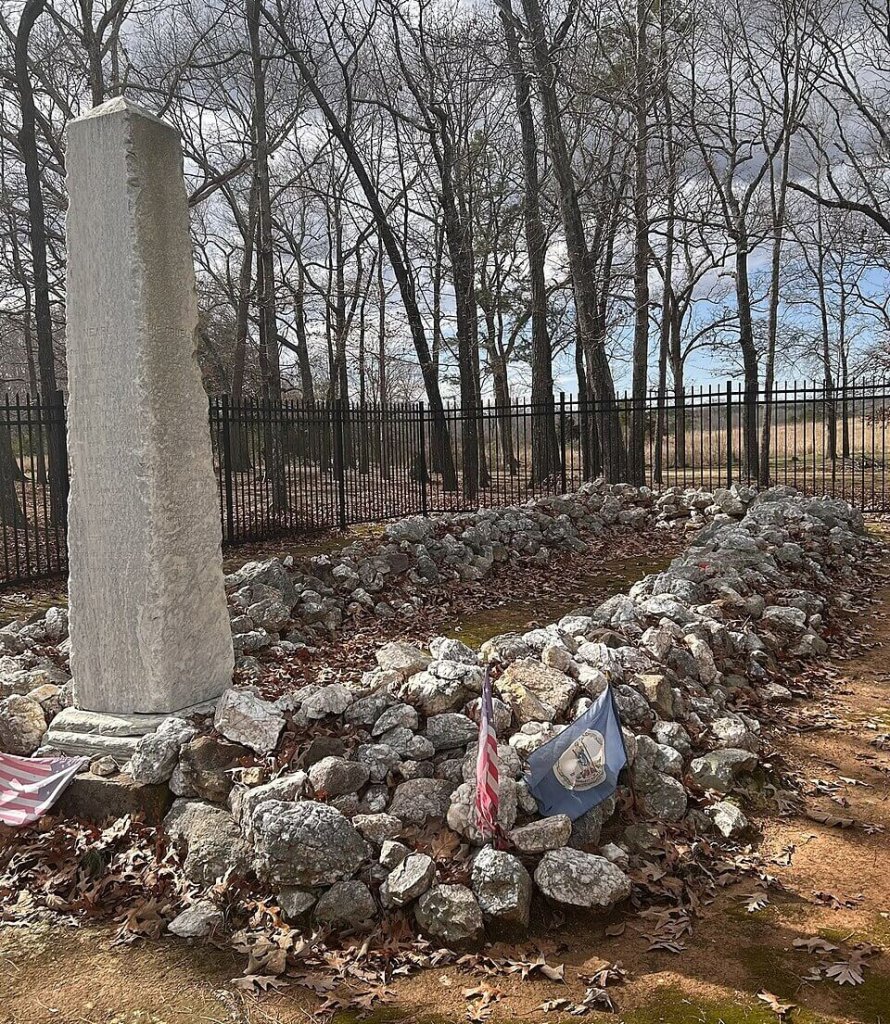
Old St. David’s Church, located in Cheraw, South Carolina, served as a critical strategic site and hospital during the American Revolutionary War, most notably for General Nathanael Greene’s “Camp of Repose” in late 1780.
APRIL 25, 1781
The Battle of Hobkirk’s Hill, also known as the Second Battle of Camden, took place on April 25, 1781, just north of Camden, South Carolina. It was a tactical victory for the British, led by Lord Francis Rawdon, but a strategic success for the American forces under Major General Nathanael Greene
Sign up for the Olde English District’s eNewsletter to receive free travel resources, event updates, and tips on top attractions, dining, and unique things to do—all delivered straight to your inbox.