


Pull Over: 7 Downtowns in the OED Worth the Detour
Some towns are worth leaving the highway for. Across the Olde English District, Main Streets are lined with local shops, cozy cafés and old buildings with stories to tell. Whether you’re making a day of it or just passing through, these downtowns are worth the stop.
1. Chester
Vintage finds, farm-fresh goods, and a legend worth pulling over for
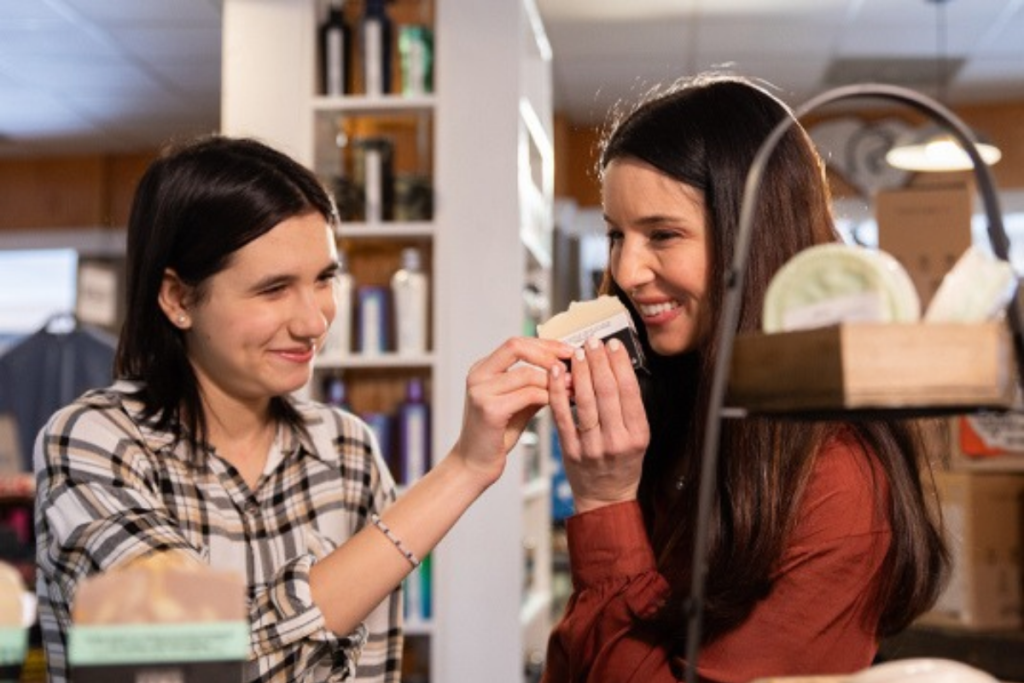
Start with coffee and something sweet at HeBrews & She Bakes, then wander downtown. Broad River Mercantile has outdoor gear, apparel, gifts, and boutique finds. Then browse Rainbow Rooster, a vintage shop with an artistic flair, where booths overflow with painted signs, refurbished antiques, collectibles and one-of-a-kind décor. Swing by Hazelwood Farms General Store for locally made and farm-fresh goods, then grab lunch at Hillside.
Before you go, make a quick stop at Aaron Burr Rock. Legend has it former Vice President Aaron Burr appealed for help here in 1806 while being held prisoner and passing through town. It’s a short visit with a good story attached.
2. Cheraw
A latte, a scoop, and a little jazz history
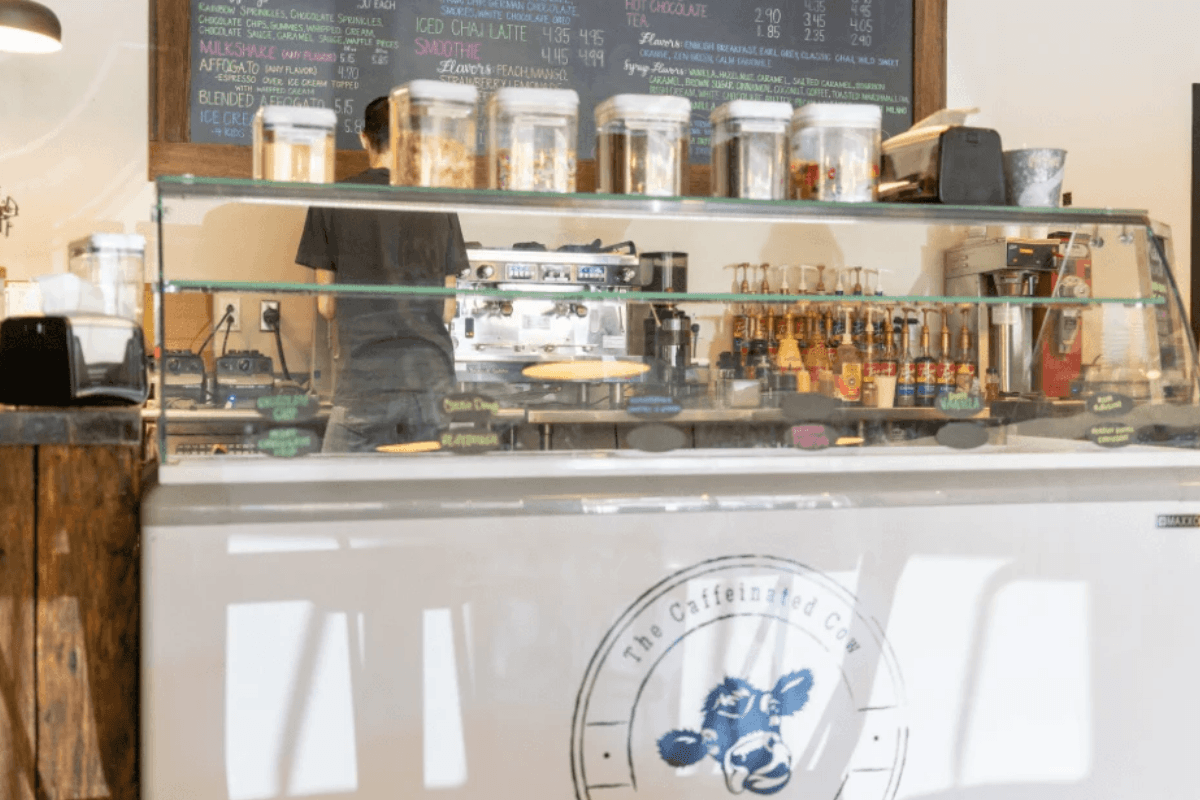
Vacation rules apply here, so head straight to Caffeinated Cow for coffee and a scoop. Ice cream before lunch is completely acceptable. Then stroll Market Street, where Mel’s on Market, The Vintage Dandelion, and Market Street Gifts & Gallery are stocked with clothing, gifts, home décor, and finds you didn’t know you needed.
For lunch, Bistro on 2nd Street is a relaxed local favorite. Afterward, walk a little more of downtown and finish at Dizzy Gillespie Birthplace Park, honoring the jazz legend born in Cheraw. It’s a small park with a big story, and proof that some of South Carolina’s best history is tucked into places you might otherwise drive right past.
3. Ridgeway
Tea, antiques, and the World’s Smallest Police Station
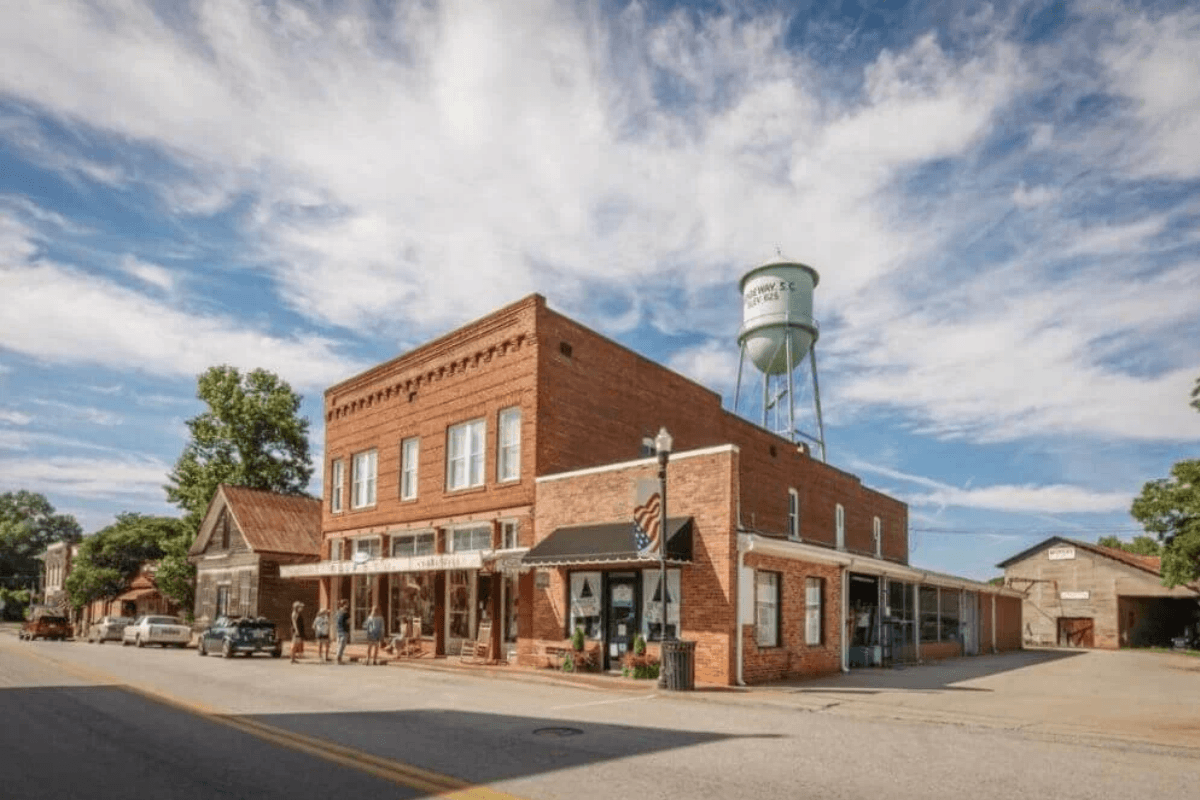
Ridgeway packs a lot into a small-town stop. Start with tea at Laura’s Tea Room, then browse Cotton Yard Market for antiques and vintage treasures. Ruff & Company is a family-run landmark dating back to around 1840, and the history is part of the shopping experience.
When you’re ready for lunch, head to Olde Town Hall Restaurant & Pub and order the shrimp and grits. Then wrap up at the World’s Smallest Police Station, one of Ridgeway’s quirkiest claims to fame and home to the town’s Welcome Center. The whole town is easy to explore at a relaxed pace, which is really the point.
4. Camden
Boutiques, antiques, and a lunch with Mediterranean flair
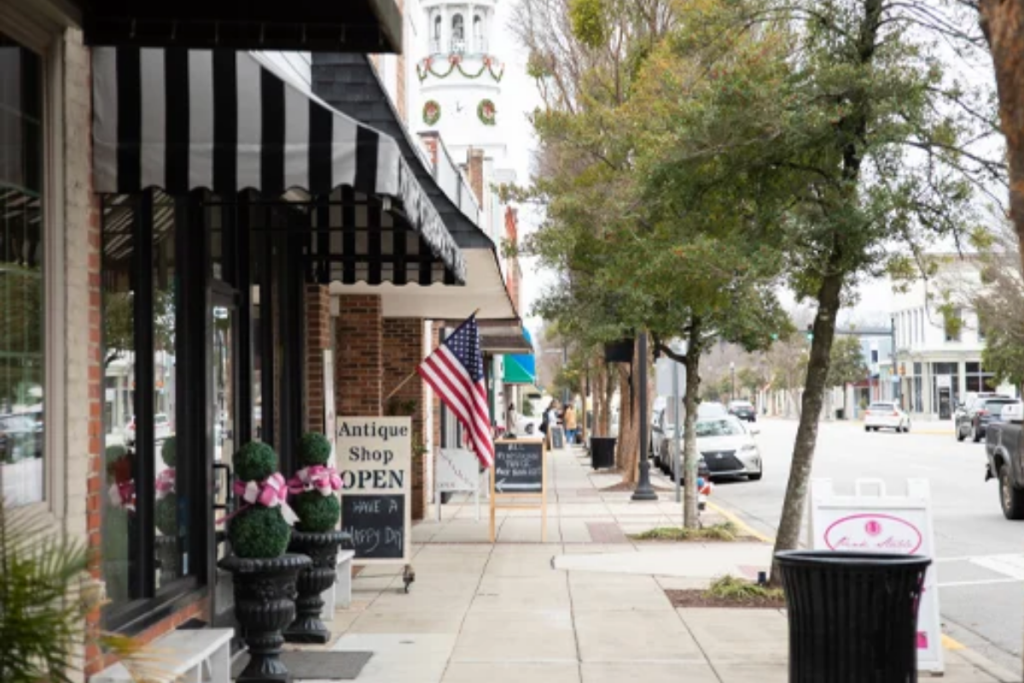
Camden does downtown days really well. Fuel up at American Patriot Coffee, then pop into Three Sisters Essentials, owned by the same sisters behind American Patriot Coffee, for gifts, home goods, and locally minded finds. From there, browse boutique styles at Pink Stable and vintage pieces at Sterling Fox Antiques.
Lunch at Loopy Lemon Café adds a little something different, with Mediterranean flavors right in the heart of downtown. Then take one more lap around Broad Street before you head home. Coffee, shopping, antiques, and lunch all fit easily into one afternoon here.
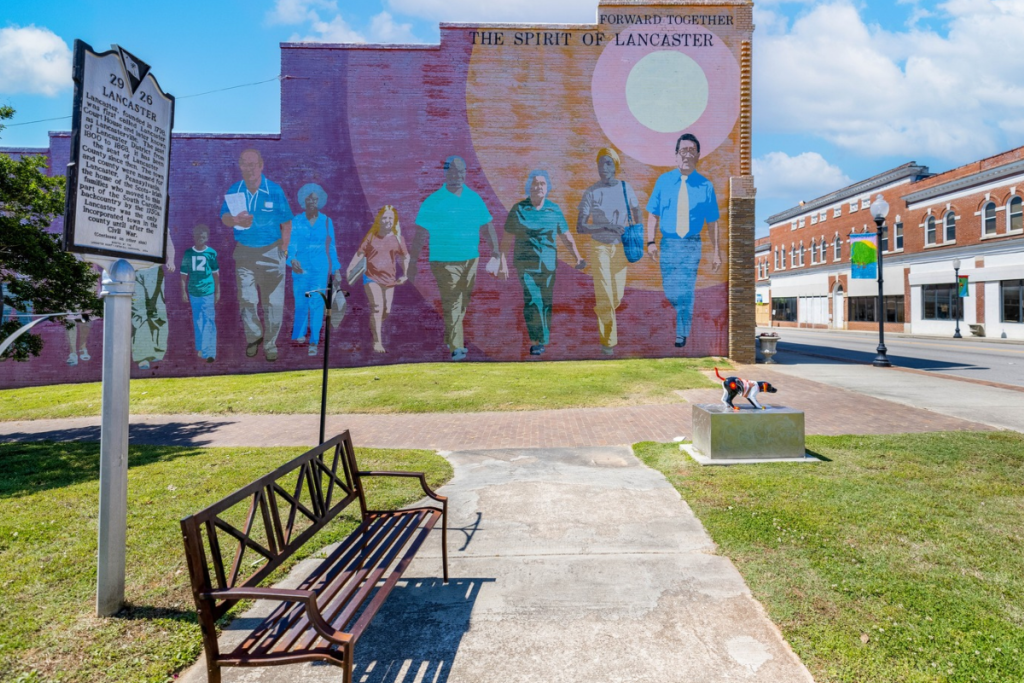
5. Lancaster
Local art, antique booths, and classic barbecue
Downtown Lancaster knows how to mix things up. Begin at Daily Grind Coffee Bar with coffee and a treat, then browse The Shops on Main for antiques, local art, and one-of-a-kind finds. 111 Collective by Luna Mae Designs offers locally made goods and curated pieces, and then explore Lancaster’s creative side at Bob Doster’s Backstreet Studios & Garden or spend some time at the Native American Studies Center.
When your appetite kicks in, 521 BBQ serves up a classic South Carolina barbecue stop. Then make one more pass through downtown. It’s a little bit of everything, without overcomplicating the day.
6. Union
Antique booths, local stories, and Main Street charm
Union is an easy Main Street stop. Start with coffee at Ellé Bell Café, then take your time at Union Antique Market, where booths are packed with vintage pieces, collectibles, and the kind of finds you weren’t looking for until you spotted them.
Next, visit the Union County Museum on Main Street to learn about the people, places, and stories behind the area. It adds context to the historic buildings you’ve been walking past. Before you leave, take one last stroll down Main Street and look up at the architecture. It’s an easy way to get a feel for a town with plenty of stories behind its storefronts.
7. York
Fresh flowers, local shops, and a downtown made for wandering
York is an easy place to spend a few hours. Start with coffee and a sweet treat at Southern Touch Bakery, Coffee Shop & Cafe, then shop your way through downtown. stop into Five Blossoms Shop, a local flower shop filled with blooms, gifts and plenty to browse , and browse Yorkville Marketplace for home goods, handmade finds, and unexpected treasures.
Lunch is at The Garden Café, a rustic, country-style spot serving Southern-inspired fare. Grab a table outside if the weather’s nice, and don’t skip the quirky gift shop. Afterward, circle back through downtown and soak up the historic streetscape. Coffee, flowers, treasure hunting, and Southern cooking make York a pretty good excuse to take the long way home.
Your Turn to Explore
You don’t need a packed itinerary to make a good day trip. Pick a town, give yourself a few hours to wander and see what you find along the way. Grab the coffee, browse the shop you almost walked past and take the scenic route home. Sometimes the best stops are the ones you weren’t planning to make.