
Explore Hanging Rock Battlefield: Where Patriot Resistance Held Strong
A Fierce Fight in the Carolina Backcountry
Today, Hanging Rock Battlefield is quiet and rural. But in August 1780, this area became the site of a fierce battle between Patriot militia forces and Loyalist troops during one of the most difficult stretches of the Revolutionary War in the South.
Located near Heath Springs in Lancaster County, Hanging Rock preserves the story of how local militia groups continued resisting British control after major Patriot losses earlier that year.
What Happened at Hanging Rock
Following the British victory at Camden, Loyalist outposts were established throughout the backcountry to maintain control of the region. One of the largest was positioned at Hanging Rock.
Patriot militia leaders, including Thomas Sumter, organized an attack on the outpost in August 1780. Their forces launched coordinated assaults against Loyalist positions, fighting through extreme heat and difficult terrain.
Although the Patriots eventually withdrew before fully capturing the post, the battle weakened Loyalist forces and proved that resistance in the backcountry remained strong.
Why Hanging Rock Mattered
Hanging Rock was significant because it demonstrated that Patriot militia groups could challenge British-backed forces even after major setbacks.
The battle:
- Disrupted Loyalist operations in the region
- Forced British commanders to divert resources
- Strengthened morale among Patriot supporters
It also reinforced the growing importance of militia warfare in the Southern Campaign.
What You Will Experience Today
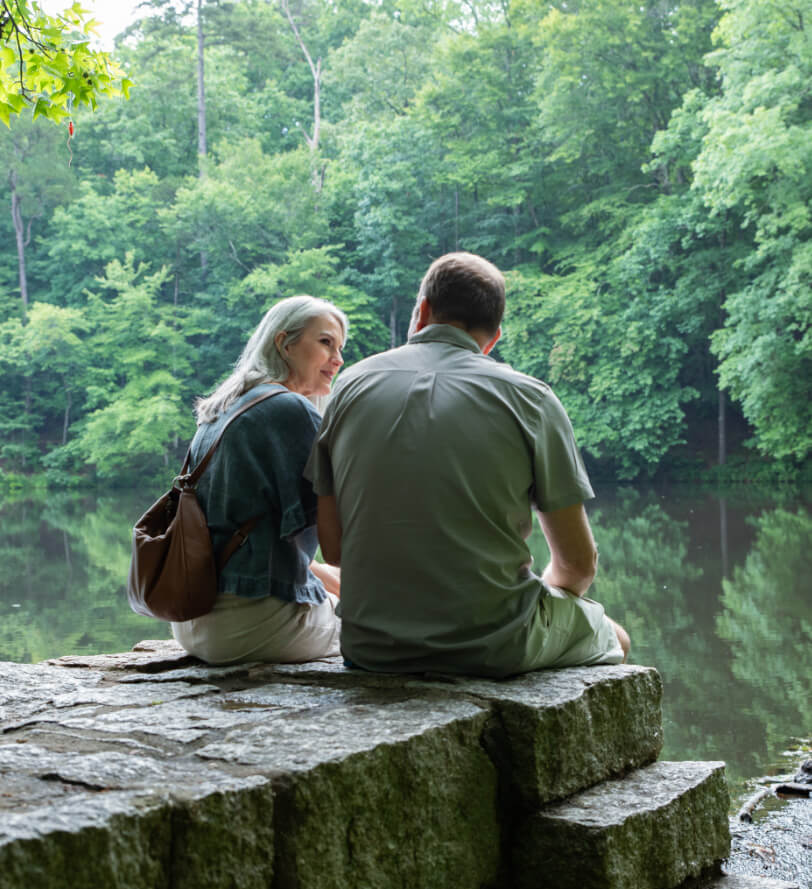
Visitors to Hanging Rock Battlefield can explore portions of the preserved battlefield and learn about the battle through interpretive signage, historical markers and a new walking trail.
The surrounding landscape still reflects much of the rural environment that shaped the fighting. Walking the grounds helps visitors better understand:
- The scale of militia warfare
- The challenges of backcountry combat
- How terrain influenced military strategy
The site offers a quieter and more reflective experience compared to larger battlefields.
Why Hanging Rock Is on the Backcountry Revolution Trail
Hanging Rock is included on the Backcountry Revolution Trail because it helps show the chain of Patriot and Loyalist clashes that shaped the Southern Campaign in the summer of 1780. Fought on August 6, 1780, Hanging Rock came before the Battle of Camden and was part of the mounting resistance that followed the fall of Charleston.
Together, these sites show how local militia warfare, difficult terrain and determined backcountry resistance helped shape the course of the Revolution in South Carolina.
Along the Trail: Where to Visit Next
- Buford’s Defeat Site (Waxhaws, Lancaster County): Just a short drive north, the Waxhaws tells the story of one of the most controversial episodes of the Southern Campaign. The defeat of Colonel Abraham Buford’s command in May 1780 galvanized Patriot resistance throughout the backcountry and helped fuel the determination seen later at Hanging Rock, Huck’s Defeat and Kings Mountain.
- Battle of Blackstock’s Plantation (Union County): Follow General Thomas Sumter’s story west to Blackstock’s Plantation, where Patriot forces scored another important victory just three months after Hanging Rock. Despite being wounded during the battle, Sumter’s successful defense further weakened British control of the South Carolina backcountry.
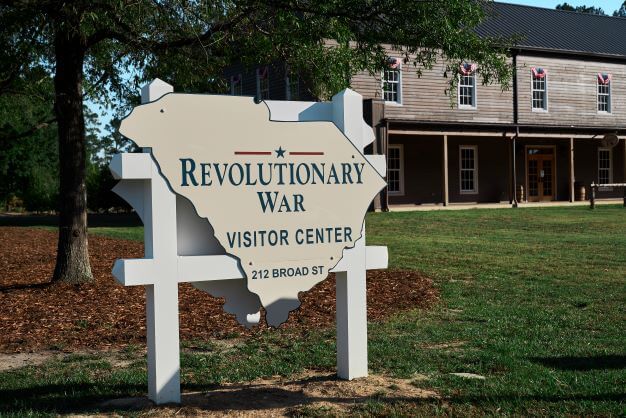
- Lancaster County Historic Courthouse Museum (Lancaster, SC): Explore exhibits that connect visitors to Lancaster County’s Revolutionary War heritage and the broader history of the region. The museum provides valuable context for understanding the people, communities and events that shaped the backcountry during the Revolution.
Plan Your Visit: Stay, Dine & Explore
- Stay: Make Lancaster County your basecamp for exploring the eastern portion of the Backcountry Revolution Trail. Choose from trusted national-brand hotels in Lancaster or nearby accommodations in Indian Land and Fort Mill, offering easy access to Revolutionary War sites throughout the region.
- Dine: After a day on the trail, enjoy local favorites such as The Garden Café in Lancaster for Southern comfort food or 521 BBQ & Grill for classic Carolina barbecue. Visitors will also find a variety of casual dining options throughout Lancaster County’s historic downtown.
- Explore: Continue your journey at Andrew Jackson State Park, where exhibits explore the early life of the future president and the impact of the Revolutionary War on the Waxhaws region. History enthusiasts can also visit the Native American Studies Center in Lancaster, which provides insight into the history and culture of the Catawba Indian Nation and other Indigenous peoples whose stories are essential to understanding the Carolina backcountry.
Plan Your Backcountry Adventure
Before you arrive, be sure to tune into our upcoming Backcountry Revolution Trail Podcast to hear the diverse, untold voices of 1776 come to life.
The trail is marked. The hallowed ground is waiting. Discover the real story of the Revolution—plan your visit to the Olde English District today.